

How Loose Dentures Can Affect Comfort, Speech, and Daily Life
Loose dentures can change everyday life more than many people expect. What may begin as a slight shift during meals or a small change in the way a denture feels can gradually turn into ongoing discomfort, reduced confidence, and frustration throughout the day. Eating may become less comfortable. Speech may feel less natural. Smiling and socializing can start to feel more self-conscious than they used to.
At SureFit Denture Clinic in West Vancouver, denture care is centered on comfort, precision, and personalized treatment. A denture should feel supportive and dependable in daily life. When it becomes loose, that change should not be ignored. In many cases, loosening is a sign that the fit has changed and that the denture needs professional attention.
Why Dentures Become Loose
Dentures do not stay exactly the same forever because the mouth itself changes over time. Even a well-made denture may begin to feel different as the gums and supporting tissues gradually change shape. That shift can affect how closely the denture sits and how stable it feels during normal daily use.
Wear and tear can also play a role. Over time, a denture may no longer provide the same support and fit it once did. In some cases, looseness develops gradually. In others, it becomes noticeable quite suddenly. Either way, a denture that no longer feels secure can begin affecting daily comfort in ways that are hard to ignore.
Loose Dentures Can Affect More Than Comfort Alone
Many patients first notice looseness as an inconvenience, but the effect often goes beyond that. A denture that shifts too much can influence how a person eats, speaks, smiles, and moves through daily routines.
Everyday Discomfort
When a denture no longer fits properly, the gums may experience uneven pressure. That can lead to irritation, sore spots, rubbing, or a general feeling that the denture is never sitting quite right. Instead of supporting daily life, the denture begins to feel like something that constantly demands attention.
Less Confidence During Meals
Meals often become one of the first areas where looseness creates problems. A denture that moves while chewing can make eating feel awkward and less enjoyable. Some patients begin avoiding certain foods or chewing more cautiously because they no longer trust the denture to stay stable.
More Self-Conscious Speech
Speech can also be affected when a denture becomes loose. Words may not feel as natural to form, and some patients start to feel more aware of their mouth during conversations. This can lead to hesitation in work settings, family conversations, or social situations where they would normally feel at ease.
A Change in Daily Confidence
Loose dentures can also affect confidence in a more general way. Smiling, laughing, and speaking may begin to feel less relaxed when there is constant uncertainty about how the denture will behave. Even if others do not notice the problem right away, the patient usually does.
Signs Your Dentures May Be Too Loose
Some signs of looseness are obvious, while others develop slowly. Paying attention early can help prevent the issue from becoming more disruptive.
Movement While Eating
If the denture rocks, shifts, or feels unstable while chewing, that is often one of the clearest signs that the fit has changed. A denture should feel supportive during meals, not unpredictable.
Changes in Speech
If speaking begins to feel less natural, or if certain words suddenly feel more difficult to say clearly, loosening may be playing a role. Even small changes in fit can affect how the denture moves during conversation.
Sore Spots or Pressure
A denture that no longer sits properly may create pressure in areas that were not previously a problem. Recurring soreness or irritation often points to a fit issue that should be assessed.
A Feeling That the Denture Is Never Quite Settled
Sometimes patients describe the problem less as pain and more as a constant awareness that the denture does not feel right. It may feel like it shifts too easily, sits unevenly, or requires ongoing adjustment throughout the day.
Why Loose Dentures Should Not Be Ignored
It is easy to adapt to denture problems slowly. Many patients change how they chew, speak more carefully, or simply accept a lower level of comfort than they should. But looseness usually does not improve on its own. Over time, it often becomes more noticeable and more frustrating.
A denture that is no longer fitting well can interfere with eating, speaking, and confidence in ways that affect quality of life. It can also increase irritation and make the denture less enjoyable to wear from one day to the next. Addressing the issue early often leads to a more comfortable and more manageable solution.
When a Reline May Help
Not every loose denture needs to be replaced. In some cases, the denture itself is still in good condition, but the fit against the gums has changed. When that happens, a reline may help restore a closer and more supportive fit.
A reline is often the right option when the denture remains structurally sound but no longer feels as stable as it once did. By improving how the denture sits against the tissues, comfort and function may be restored without remaking the entire appliance.
When a Repair May Be the Better Solution
Sometimes looseness is related to damage or wear rather than fit changes alone. If a denture has cracks, chips, or other structural issues, a repair may be the better first step.
At SureFit Denture Clinic, denture care includes denture repair for patients whose dentures need professional attention. In some situations, restoring the structure of the denture can improve how it feels and functions in daily life.
When Replacement Becomes the Better Long-Term Option
There are also times when a denture has become too worn or too compromised for a simple repair or reline to provide the best result. If the denture has been causing ongoing problems for some time, or if the looseness is part of a broader decline in comfort and function, a new denture may be the better long-term solution.
For some patients, that may mean moving forward with complete dentures when a full arch replacement is needed. For others, partial dentures may still be the better fit if healthy teeth remain. Patients who want greater stability may also want to explore implant dentures as part of the conversation.
The right answer depends on the current condition of the denture, the condition of the mouth, and what will best support daily comfort moving forward.
Why Fit Matters So Much
Fit is one of the most important parts of successful denture treatment. A denture can look good and still fall short if it does not feel secure and comfortable in normal daily use. When fit improves, daily routines often feel easier. Meals become less stressful. Speech becomes more natural. Confidence begins to return.
That is why denture care should never be reduced to appearance alone. A properly fitted denture helps support comfort, function, and peace of mind from morning to night.
Loose Dentures Can Make Patients Pull Back From Daily Life
One of the most overlooked effects of loose dentures is how they can quietly change behavior. Patients may begin avoiding certain foods, speaking less in groups, smiling less freely, or feeling more hesitant in social settings. These changes often happen gradually, but they can have a significant effect on everyday confidence.
A denture should support normal life, not make a person more cautious about participating in it. Restoring a better fit can often help patients feel more like themselves again.
The Value of Personalized Denture Care
No two patients experience denture looseness in exactly the same way. For some, the issue is mild but frustrating. For others, it affects nearly every part of daily life. That is why personalized care matters.
At SureFit Denture Clinic, denture treatment is designed around the individual rather than a one-size-fits-all approach. Some patients need a reline. Others need a repair. Some benefit more from a completely new denture solution. The right recommendation should always be based on what will create the most comfortable, stable, and supportive result.
Final Thoughts
Loose dentures can affect much more than comfort alone. They can make eating more difficult, speech less natural, and daily life more frustrating than it should be. They can also reduce confidence in ways that build gradually over time. The good news is that loosening does not always mean the same solution for every patient. In some cases, a reline may help. In others, a repair or replacement may be the better path.
At SureFit Denture Clinic in West Vancouver, denture care is built around restoring comfort, function, and confidence with a solution that fits the patient’s real needs. Whether the next step involves denture repair, a reline, complete dentures, partial dentures, or implant dentures, the goal remains the same: helping daily life feel easier, more comfortable, and more supported again.
———————————–
Meta Title
How Loose Dentures Can Affect Comfort, Speech, and Daily Life | SureFit Denture Clinic
Meta Description
Learn how loose dentures can affect comfort, speech, eating, and confidence, and when a repair, reline, or replacement may be the right next step.

Travelling With Dentures: What to Check Before You Leave and What to Pack
Looking for dentures that feel natural and fit your life? We’re here to walk you through traditional and digital options, so you can find the best choice for your smile.
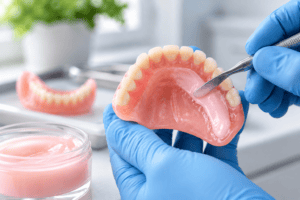
What Happens During a Denture Reline? A Simple Way to Improve the Fit of Dentures You Already Have
Looking for dentures that feel natural and fit your life? We’re here to walk you through traditional and digital options, so you can find the best choice for your smile.
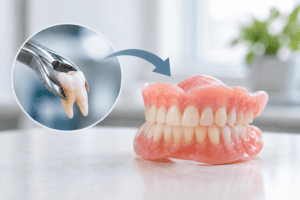
What Are Immediate Dentures? How You Can Leave With Teeth the Same Day as Extractions
Looking for dentures that feel natural and fit your life? We’re here to walk you through traditional and digital options, so you can find the best choice for your smile.

Implant Dentures for Active Adults: Why Stability Matters Beyond Eating
Looking for dentures that feel natural and fit your life? We’re here to walk you through traditional and digital options, so you can find the best choice for your smile.
Booking your first denture consultation is an important step toward improving comfort, restoring confidence, and finding the right solution for your smile. For many people, that first visit also comes with questions. They want to know what the appointment will involve, what the clinic will be looking for, and how treatment recommendations are made. At SureFit Denture Clinic in West Vancouver, consultations are designed to be comfortable, personalized, and informative, giving patients a clear understanding of their options and what comes next. SureFit’s service pages note that consultations for services like complete, partial, and implant dentures typically last about an hour and are intended to be a relaxed, stress-free experience.
A consultation is not only about deciding whether dentures are needed. It is about understanding your smile, your goals, your current oral condition, and the type of result that will best support daily life. Some patients arrive knowing they need a replacement for missing teeth. Others are not yet sure whether they need a repair, a reline, a partial denture, a complete denture, or a more secure option such as implant dentures. The consultation is where those questions begin to take shape in a practical and personalized way.
Why the First Consultation Matters
The first consultation sets the foundation for everything that follows. A denture should never be approached as a one-size-fits-all solution. The fit, appearance, and function of a denture all depend on understanding the patient as an individual. That means looking carefully at the current condition of the mouth, listening to any concerns about comfort or appearance, and discussing how the denture needs to function in everyday life.
This first appointment is also where many patients begin to feel more at ease. Tooth loss and denture treatment can feel overwhelming at first, especially for someone who has never gone through the process before. A thoughtful consultation helps replace uncertainty with a clearer plan. It also gives patients the opportunity to ask questions, understand the treatment options in front of them, and move forward with more confidence.
A Comfortable Conversation About Your Needs
The consultation usually begins with a conversation. This part of the visit is important because it helps shape the rest of the appointment. Your denturist will want to understand what has brought you in, what concerns you may already have, and what kind of result you are hoping to achieve.
Talking About Your Current Situation
Some patients come in because they are missing teeth and want to explore their options for the first time. Others already wear dentures but are dealing with looseness, discomfort, visible wear, or a fit that no longer feels right. In that case, the conversation may include whether denture repair, a reline, or a new denture would make the most sense based on the condition of the current appliance.
Discussing Comfort, Function, and Appearance
The first consultation is also where your priorities become part of the treatment plan. For some people, the biggest concern is eating comfortably again. For others, it is speaking clearly or feeling more confident when smiling. In many cases, it is a combination of all three. These details matter because the best denture solution should support your life in a practical and natural way.
Examining the Mouth and Oral Structures
After discussing your concerns and goals, the clinical assessment becomes the next major part of the consultation. SureFit’s implant denture page describes treatment as beginning with a comprehensive oral exam, and that same kind of individualized evaluation is central to choosing the right denture solution more broadly.
During this part of the visit, the denturist assesses the overall condition of the mouth, including the gums, the way the arches relate to one another, and the health and position of any remaining teeth. This helps determine which denture options are most suitable and what kind of fit and support can realistically be achieved.
If Natural Teeth Still Remain
If you still have healthy natural teeth, the consultation may include a discussion about whether partial dentures are the best path forward. Partial dentures can be an excellent option when the goal is to replace missing teeth while preserving the teeth that are still healthy and functional.
If Full Replacement Is Needed
If all teeth in one arch or both arches are missing, or if the remaining teeth are too compromised to preserve long term, the conversation may turn toward complete dentures. Complete dentures are designed to restore a full smile and improve function when full arch replacement is the right next step.
Reviewing Your Denture Options
Once the exam is complete, the consultation moves into one of the most valuable parts of the visit: understanding the available treatment options. This is where the appointment becomes especially helpful for patients who are still unsure which type of denture is right for them.
At SureFit, the available service mix includes complete dentures, partial dentures, implant-supported dentures, denture repair, and same-day repairs and relines. That means the conversation can stay focused on what truly fits your needs rather than forcing every patient into the same path.
Complete Dentures
If a full smile replacement is needed, complete dentures may provide the best balance of function, appearance, and comfort. The consultation will help determine whether this option matches the condition of the mouth and your long term goals.
Partial Dentures
If healthy teeth remain and can continue supporting the smile, partial dentures may be the more conservative and practical option. This allows missing teeth to be replaced while preserving the natural teeth that are still contributing to daily function.
Implant Dentures
If greater stability is a priority, the consultation may also include a discussion about implant dentures. SureFit notes that implant denture candidacy depends in part on factors such as jaw bone support, which is why proper assessment is so important early in the process.
Digital Denture Technology May Be Part of the Conversation
SureFit also highlights digital dentures and 3D scanning as part of its modern approach to care, describing digital dentures as a cleaner, more precise alternative to older methods and noting that digital records can make future replacements easier. During your first consultation, this may become part of the discussion if digital treatment planning is the right fit for your case.
For many patients, this is reassuring. It means the consultation is not only about choosing a denture category. It is also about understanding how the denture will be planned and created. A more modern workflow can offer benefits in comfort, fit, and long term convenience, especially for patients who want a more refined treatment experience.
What You Can Expect Emotionally During the Visit
A first denture consultation is not just a clinical appointment. It is often an emotional step too. Some patients arrive feeling embarrassed about tooth loss. Others feel nervous about whether dentures will look natural or whether they will be comfortable to wear. These are normal concerns, and the first visit should help ease them rather than add to them.
SureFit’s service pages consistently describe consultations as relaxed, comfortable, and hassle-free. That matters because the right clinic experience should leave patients feeling informed and supported. A consultation should not feel rushed or impersonal. It should feel like the beginning of a thoughtful plan built around your needs.
Questions You May Want Answered at Your Consultation
Many patients benefit from preparing a few questions before the first visit. This helps make the appointment more useful and gives you a better sense of what the treatment plan may involve.
Which Denture Option Fits My Smile Best?
This is often the most important question. Whether the answer involves a full denture, a partial denture, a repair, or implant support, the consultation is where the recommendation becomes clearer.
How Will the Denture Fit and Feel?
Fit is one of the biggest concerns for patients, and understandably so. The consultation should include a discussion about comfort, retention, and what kind of outcome can be expected based on your oral condition.
What Happens After the Consultation?
Patients often want to know what comes next after the initial visit. The answer depends on the treatment plan, but the consultation should leave you with a clear sense of direction rather than uncertainty.
What Happens After the First Visit
Once the consultation is complete, the next steps depend on what the assessment has shown. In some cases, a patient may move forward with a new denture plan. In others, the best path may involve restoring an existing appliance through repair or reline. Some patients may need a more detailed discussion about implant-supported options, while others may simply need time to consider the recommendation and decide how they want to proceed.
What matters most is that the next step feels appropriate and well explained. A strong consultation should not leave you guessing. It should leave you with clarity about your options and confidence in what the clinic is recommending.
Why West Vancouver Patients Choose a Personalized Consultation
West Vancouver patients are often looking for care that feels modern, attentive, and tailored to the individual. SureFit’s combination of personalized consultations, digital denture innovation, and a broad range of denture services supports that kind of experience. The clinic’s contact page invites patients to call or email to book a denture appointment and notes that calling is the fastest way to arrange care.
That type of accessibility matters because denture treatment is not just about replacing teeth. It is about improving quality of life. The first consultation is where that process begins.
Final Thoughts
Your first denture consultation in West Vancouver should feel like the start of a solution, not the start of confusion. It is an opportunity to understand what is happening in your mouth, what options are available, and which treatment path is most likely to restore comfort, function, and confidence. At SureFit Denture Clinic, consultations are designed to be relaxed, informative, and personalized, with enough time to assess your needs and guide you toward the right next step.
Whether the best recommendation involves complete dentures, partial dentures, implant dentures, or denture repair, the goal remains the same: helping you move forward with greater comfort and a clearer sense of what your smile needs. To book an appointment, visit the SureFit contact page.