

For many adults, dentures need to do more than make eating easier. They need to feel dependable during work, travel, conversations, social events, and everyday routines. A denture that moves, shifts, or feels unpredictable can affect confidence in situations that have nothing to do with food.
That is where implant supported dentures can make a meaningful difference.
At SureFit Denture Clinic in West Vancouver, implant dentures are an option for patients who want greater stability and a more secure feel in daily life. For active adults who spend a lot of time working, socializing, travelling, speaking, or simply staying busy, that added stability can provide a level of confidence that extends well beyond meals.
What Are Implant Dentures?
Implant dentures are dentures that connect to dental implants placed in the jaw. These implants provide additional support and retention compared with a conventional removable denture that relies more heavily on the gums and oral anatomy.
The result is a denture that can feel more secure during normal movement.
This added stability can be especially valuable for patients who have struggled with looseness or who simply want more confidence in how their dentures behave throughout the day.
Stability Matters in Everyday Life
The benefits of a more stable denture become especially noticeable in situations where patients want to stop thinking about their teeth.
A denture that feels dependable can make daily routines feel more natural. Instead of worrying about movement, patients can focus on conversations, activities, and the people around them.
Confidence at Work
Professionals who spend much of the day speaking may be especially aware of denture movement.
Meetings, presentations, phone calls, and conversations with clients all require confidence in speech. If a denture feels unstable, even a small amount of movement can become distracting.
Implant supported dentures can help reduce that uncertainty by providing a more secure foundation.
For many working adults, the benefit is simple: being able to concentrate on the conversation rather than on the denture.
Greater Confidence During Social Situations
Social confidence is another major reason patients consider implant dentures.
Dinner parties, family events, weddings, community activities, and casual conversations often involve laughing, speaking, and eating in front of other people. A loose denture can create hesitation even when nobody else notices the issue.
A more stable denture can help patients feel less self-conscious and more relaxed in these situations.
Confidence often comes from not having to think about the appliance at all.
Speaking and Laughing More Naturally
Dentures influence speech because tooth position and denture stability affect how the tongue and lips form sounds.
If the appliance moves too much, some patients become more cautious about speaking or laughing freely.
Implant support can help keep the denture more stable while the mouth is moving. This can create a more natural experience during conversations and make it easier to speak without constantly monitoring the denture.
That added freedom can make a real difference in both personal and professional interactions.
Implant Dentures and Travel
Travel can make denture concerns feel more significant.
When patients are away from home, they may worry about what would happen if the denture became loose, uncomfortable, or difficult to manage. Access to familiar denture care may also be more limited while travelling.
A secure denture can provide additional peace of mind.
For adults who travel regularly for work or leisure, greater stability can make it easier to enjoy meals, conversations, tours, and social activities without focusing on denture movement.
Active Lifestyles Require Reliable Dentures
Being active does not necessarily mean participating in intense sports.
An active lifestyle can include walking, golfing, gardening, volunteering, travelling, working long hours, attending events, and spending time with family.
All of these activities involve movement, conversation, and normal daily function.
Dentures should support that lifestyle rather than create restrictions.
Implant dentures can offer additional retention for patients who want an appliance that feels more dependable while they remain active throughout the day.
Eating Is Still Important, But It Is Only Part of the Benefit
Improved stability during meals remains one of the major advantages of implant supported dentures.
A denture that moves less can help patients feel more comfortable chewing and may allow them to approach meals with greater confidence.
However, the impact reaches beyond eating.
The same stability that helps during chewing can also support speech, laughter, facial movement, and normal social interaction.
This is why implant dentures are often best understood as a quality of life solution rather than simply an eating solution.
Why Conventional Dentures May Move
Conventional dentures rely on the shape of the gums, oral tissues, and surrounding anatomy for support.
When the mouth changes over time, the denture may begin to feel less stable.
Natural jawbone and tissue changes can gradually alter the fit, even if the denture itself remains in good condition.
For some patients, a reline or adjustment can restore comfort. Others may eventually decide that they want a more secure solution.
Implant supported dentures provide that additional level of retention by connecting the appliance to implants rather than relying only on the underlying tissues.
Who May Benefit From Implant Dentures?
Implant dentures may be a good option for adults who:
- Experience ongoing denture movement
- Want greater stability during speaking and eating
- Feel self-conscious about dentures shifting in public
- Lead busy or active lifestyles
- Travel frequently
- Want more confidence during professional interactions
- Prefer a more secure denture experience
- Have sufficient oral and jaw health for implant treatment
Suitability depends on the individual. A proper assessment is needed to determine whether implants are appropriate and whether there is enough healthy jawbone to support treatment.
Jawbone Health Is Important
Dental implants need a stable foundation.
This means the amount and condition of the jawbone are important factors when determining whether implant dentures are suitable.
A professional evaluation can help determine whether the patient is a good candidate and what treatment approach may be needed.
Not everyone will be suited to implant supported treatment, and the recommendation should always be based on oral health rather than lifestyle preferences alone.
Implant Dentures Are Still Personalized Dentures
The implants provide stability, but they are only part of the treatment.
The denture itself still needs to be designed around the individual.
Tooth shape, colour, position, bite, facial support, and overall appearance all matter. An implant supported denture should feel secure while also creating a smile that looks natural and suits the patient.
This is especially important for adults who want their dentures to support both confidence and appearance in professional and social settings.
Comfort and Fit Still Matter
A stable denture should also be comfortable.
Implants help with retention, but the denture still interacts with the gums and surrounding oral structures. A carefully planned fit helps reduce pressure and supports more natural function.
Comfort and stability work together.
A denture that stays in place but feels uncomfortable is not a successful outcome. The goal is a solution that feels dependable and comfortable throughout normal daily use.
Implant Dentures and Facial Confidence
For many patients, confidence begins with the smile itself.
Tooth loss can change facial support and may affect the way patients feel about their appearance.
A well-designed implant denture can restore a fuller smile while helping support the lips and surrounding facial features.
For active adults who interact with people throughout the day, this can have a meaningful emotional impact.
Feeling comfortable with the appearance of the smile often makes it easier to speak, laugh, and engage naturally.
How Implant Dentures Compare With Complete Dentures
Traditional complete dentures remain an effective option for many patients and can restore eating, speech, appearance, and confidence when they are well designed and properly fitted.
Implant dentures add another level of support.
The main difference is the way the denture is retained. Conventional dentures rely more heavily on the gums and oral anatomy, while implant supported dentures use dental implants to provide additional stability.
Neither option is automatically right for everyone.
The best choice depends on oral health, anatomy, treatment goals, lifestyle, and personal preferences.
Implant Dentures vs Partial Dentures
Patients who still have healthy natural teeth may not need a full implant supported denture.
Partial dentures can replace missing teeth while preserving the healthy teeth that remain.
Implant dentures are more commonly considered when tooth loss is extensive and greater stability is desired.
The treatment decision should always begin with understanding the condition of the entire mouth rather than choosing a solution based on one feature alone.
The Role of Digital Denture Technology
Modern denture technology can also support the planning and creation of implant dentures.
Digital scans can provide detailed information about the mouth and help create more precise records for denture design.
At SureFit Denture Clinic, digital denture technology is part of a broader modern approach to denture care.
The combination of careful planning, precision, and personalized design can help create a denture that feels stable while also looking natural and supporting everyday comfort.
What the Treatment Journey May Involve
Implant denture treatment generally requires more planning than a conventional denture because the dental implants become part of the foundation.
The process begins with an assessment to determine whether implants are appropriate.
Treatment planning may involve evaluating the jawbone, oral health, bite, and the number and position of implants required.
The denture itself is then planned around both the implants and the patient’s aesthetic and functional goals.
Because each case is different, treatment timelines and individual steps can vary.
Why Personalized Planning Matters
An active lifestyle does not automatically mean someone needs implant dentures.
The treatment should solve a real need.
Some patients are very comfortable with conventional dentures and have no reason to change. Others experience repeated movement, reduced confidence, or frustration that affects daily life.
The best recommendation is based on what the patient is actually experiencing and what they want treatment to improve.
At SureFit Denture Clinic in West Vancouver, denture treatment is personalized around those individual needs.
Stability Can Reduce Everyday Worry
One of the greatest benefits of implant dentures may be the reduction in day-to-day worry.
Patients often describe denture concerns in terms of small moments.
Will it move when I laugh?
Will I need adhesive before going out?
Will I be comfortable speaking during a meeting?
Can I eat at a restaurant without thinking about my dentures?
Can I travel without worrying about the fit?
Greater stability can help make these questions less important.
That can allow patients to spend more time enjoying daily life and less time managing their dentures.
When to Consider an Implant Denture Consultation
It may be worth discussing implant dentures if conventional dentures are repeatedly affecting comfort, confidence, or daily activity.
A consultation can help determine whether the issue could be improved with an adjustment, reline, or replacement, or whether implant support may provide a better long-term solution.
Patients do not need to decide on the treatment before the appointment.
The purpose of the assessment is to understand the current concerns and determine which option best supports the patient’s oral health and lifestyle.
Final Thoughts
Implant dentures offer benefits that extend far beyond eating.
For active adults, increased stability can support clearer speech, greater confidence at work, more relaxed social interactions, easier travel, and a stronger sense of security throughout the day.
The goal is not simply to create dentures that stay in place. It is to create a solution that helps patients participate in everyday life without constantly thinking about their teeth.
At SureFit Denture Clinic in West Vancouver, implant denture care is focused on personalized treatment, comfort, stability, and natural-looking results. For the right candidate, implant supported dentures can provide the confidence to speak, smile, travel, socialize, and stay active with a denture that feels more dependable wherever the day leads.

Travelling With Dentures: What to Check Before You Leave and What to Pack
Looking for dentures that feel natural and fit your life? We’re here to walk you through traditional and digital options, so you can find the best choice for your smile.
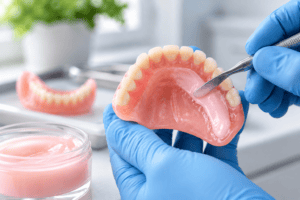
What Happens During a Denture Reline? A Simple Way to Improve the Fit of Dentures You Already Have
Looking for dentures that feel natural and fit your life? We’re here to walk you through traditional and digital options, so you can find the best choice for your smile.
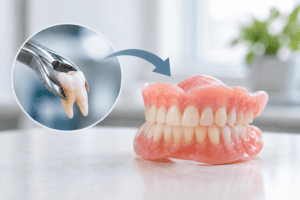
What Are Immediate Dentures? How You Can Leave With Teeth the Same Day as Extractions
Looking for dentures that feel natural and fit your life? We’re here to walk you through traditional and digital options, so you can find the best choice for your smile.

Implant Dentures for Active Adults: Why Stability Matters Beyond Eating
Looking for dentures that feel natural and fit your life? We’re here to walk you through traditional and digital options, so you can find the best choice for your smile.
Booking your first denture consultation is an important step toward improving comfort, restoring confidence, and finding the right solution for your smile. For many people, that first visit also comes with questions. They want to know what the appointment will involve, what the clinic will be looking for, and how treatment recommendations are made. At SureFit Denture Clinic in West Vancouver, consultations are designed to be comfortable, personalized, and informative, giving patients a clear understanding of their options and what comes next. SureFit’s service pages note that consultations for services like complete, partial, and implant dentures typically last about an hour and are intended to be a relaxed, stress-free experience.
A consultation is not only about deciding whether dentures are needed. It is about understanding your smile, your goals, your current oral condition, and the type of result that will best support daily life. Some patients arrive knowing they need a replacement for missing teeth. Others are not yet sure whether they need a repair, a reline, a partial denture, a complete denture, or a more secure option such as implant dentures. The consultation is where those questions begin to take shape in a practical and personalized way.
Why the First Consultation Matters
The first consultation sets the foundation for everything that follows. A denture should never be approached as a one-size-fits-all solution. The fit, appearance, and function of a denture all depend on understanding the patient as an individual. That means looking carefully at the current condition of the mouth, listening to any concerns about comfort or appearance, and discussing how the denture needs to function in everyday life.
This first appointment is also where many patients begin to feel more at ease. Tooth loss and denture treatment can feel overwhelming at first, especially for someone who has never gone through the process before. A thoughtful consultation helps replace uncertainty with a clearer plan. It also gives patients the opportunity to ask questions, understand the treatment options in front of them, and move forward with more confidence.
A Comfortable Conversation About Your Needs
The consultation usually begins with a conversation. This part of the visit is important because it helps shape the rest of the appointment. Your denturist will want to understand what has brought you in, what concerns you may already have, and what kind of result you are hoping to achieve.
Talking About Your Current Situation
Some patients come in because they are missing teeth and want to explore their options for the first time. Others already wear dentures but are dealing with looseness, discomfort, visible wear, or a fit that no longer feels right. In that case, the conversation may include whether denture repair, a reline, or a new denture would make the most sense based on the condition of the current appliance.
Discussing Comfort, Function, and Appearance
The first consultation is also where your priorities become part of the treatment plan. For some people, the biggest concern is eating comfortably again. For others, it is speaking clearly or feeling more confident when smiling. In many cases, it is a combination of all three. These details matter because the best denture solution should support your life in a practical and natural way.
Examining the Mouth and Oral Structures
After discussing your concerns and goals, the clinical assessment becomes the next major part of the consultation. SureFit’s implant denture page describes treatment as beginning with a comprehensive oral exam, and that same kind of individualized evaluation is central to choosing the right denture solution more broadly.
During this part of the visit, the denturist assesses the overall condition of the mouth, including the gums, the way the arches relate to one another, and the health and position of any remaining teeth. This helps determine which denture options are most suitable and what kind of fit and support can realistically be achieved.
If Natural Teeth Still Remain
If you still have healthy natural teeth, the consultation may include a discussion about whether partial dentures are the best path forward. Partial dentures can be an excellent option when the goal is to replace missing teeth while preserving the teeth that are still healthy and functional.
If Full Replacement Is Needed
If all teeth in one arch or both arches are missing, or if the remaining teeth are too compromised to preserve long term, the conversation may turn toward complete dentures. Complete dentures are designed to restore a full smile and improve function when full arch replacement is the right next step.
Reviewing Your Denture Options
Once the exam is complete, the consultation moves into one of the most valuable parts of the visit: understanding the available treatment options. This is where the appointment becomes especially helpful for patients who are still unsure which type of denture is right for them.
At SureFit, the available service mix includes complete dentures, partial dentures, implant-supported dentures, denture repair, and same-day repairs and relines. That means the conversation can stay focused on what truly fits your needs rather than forcing every patient into the same path.
Complete Dentures
If a full smile replacement is needed, complete dentures may provide the best balance of function, appearance, and comfort. The consultation will help determine whether this option matches the condition of the mouth and your long term goals.
Partial Dentures
If healthy teeth remain and can continue supporting the smile, partial dentures may be the more conservative and practical option. This allows missing teeth to be replaced while preserving the natural teeth that are still contributing to daily function.
Implant Dentures
If greater stability is a priority, the consultation may also include a discussion about implant dentures. SureFit notes that implant denture candidacy depends in part on factors such as jaw bone support, which is why proper assessment is so important early in the process.
Digital Denture Technology May Be Part of the Conversation
SureFit also highlights digital dentures and 3D scanning as part of its modern approach to care, describing digital dentures as a cleaner, more precise alternative to older methods and noting that digital records can make future replacements easier. During your first consultation, this may become part of the discussion if digital treatment planning is the right fit for your case.
For many patients, this is reassuring. It means the consultation is not only about choosing a denture category. It is also about understanding how the denture will be planned and created. A more modern workflow can offer benefits in comfort, fit, and long term convenience, especially for patients who want a more refined treatment experience.
What You Can Expect Emotionally During the Visit
A first denture consultation is not just a clinical appointment. It is often an emotional step too. Some patients arrive feeling embarrassed about tooth loss. Others feel nervous about whether dentures will look natural or whether they will be comfortable to wear. These are normal concerns, and the first visit should help ease them rather than add to them.
SureFit’s service pages consistently describe consultations as relaxed, comfortable, and hassle-free. That matters because the right clinic experience should leave patients feeling informed and supported. A consultation should not feel rushed or impersonal. It should feel like the beginning of a thoughtful plan built around your needs.
Questions You May Want Answered at Your Consultation
Many patients benefit from preparing a few questions before the first visit. This helps make the appointment more useful and gives you a better sense of what the treatment plan may involve.
Which Denture Option Fits My Smile Best?
This is often the most important question. Whether the answer involves a full denture, a partial denture, a repair, or implant support, the consultation is where the recommendation becomes clearer.
How Will the Denture Fit and Feel?
Fit is one of the biggest concerns for patients, and understandably so. The consultation should include a discussion about comfort, retention, and what kind of outcome can be expected based on your oral condition.
What Happens After the Consultation?
Patients often want to know what comes next after the initial visit. The answer depends on the treatment plan, but the consultation should leave you with a clear sense of direction rather than uncertainty.
What Happens After the First Visit
Once the consultation is complete, the next steps depend on what the assessment has shown. In some cases, a patient may move forward with a new denture plan. In others, the best path may involve restoring an existing appliance through repair or reline. Some patients may need a more detailed discussion about implant-supported options, while others may simply need time to consider the recommendation and decide how they want to proceed.
What matters most is that the next step feels appropriate and well explained. A strong consultation should not leave you guessing. It should leave you with clarity about your options and confidence in what the clinic is recommending.
Why West Vancouver Patients Choose a Personalized Consultation
West Vancouver patients are often looking for care that feels modern, attentive, and tailored to the individual. SureFit’s combination of personalized consultations, digital denture innovation, and a broad range of denture services supports that kind of experience. The clinic’s contact page invites patients to call or email to book a denture appointment and notes that calling is the fastest way to arrange care.
That type of accessibility matters because denture treatment is not just about replacing teeth. It is about improving quality of life. The first consultation is where that process begins.
Final Thoughts
Your first denture consultation in West Vancouver should feel like the start of a solution, not the start of confusion. It is an opportunity to understand what is happening in your mouth, what options are available, and which treatment path is most likely to restore comfort, function, and confidence. At SureFit Denture Clinic, consultations are designed to be relaxed, informative, and personalized, with enough time to assess your needs and guide you toward the right next step.
Whether the best recommendation involves complete dentures, partial dentures, implant dentures, or denture repair, the goal remains the same: helping you move forward with greater comfort and a clearer sense of what your smile needs. To book an appointment, visit the SureFit contact page.